
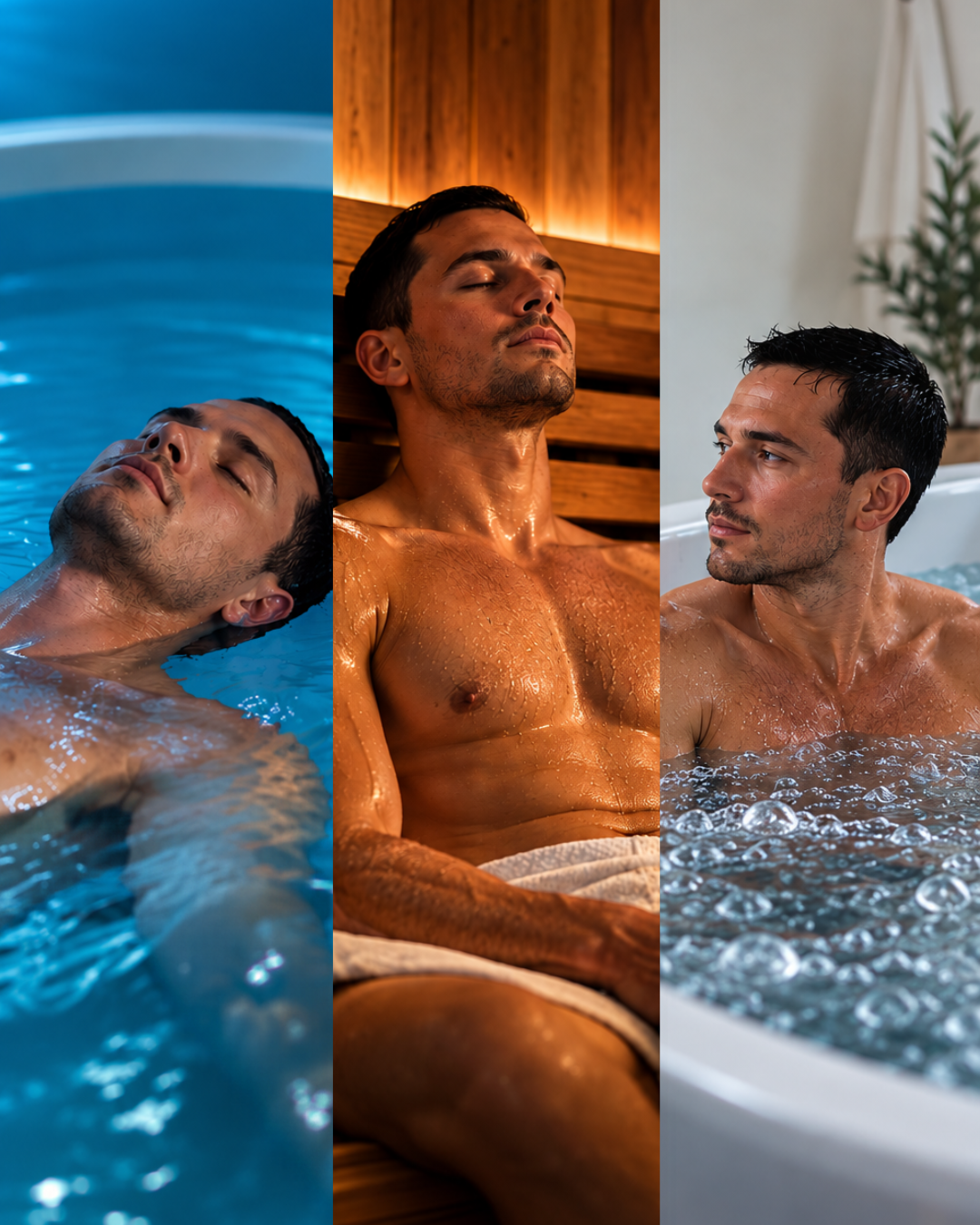
Contrast Therapy + Float Therapy: Two Opposite Paths to the Same Recovery
Put a contrast therapy session and a float session side by side and they look like opposites. One throws your body into 40-degree water and back into heat, again and again. The other removes almost every input your nervous system has ever relied on — no gravity, no light, no sound, no effort — and asks you to do nothing at all.
That's not a coincidence, and it's not a contradiction. It's the point. Contrast and float are yin and yang: one grounded and intense, the other expansive and effortless. They chase a lot of the same outcomes — less stress, less soreness, better sleep, a clearer head — but they get there through opposite doors. Used together, in the right order, they cover more ground than either one does alone.
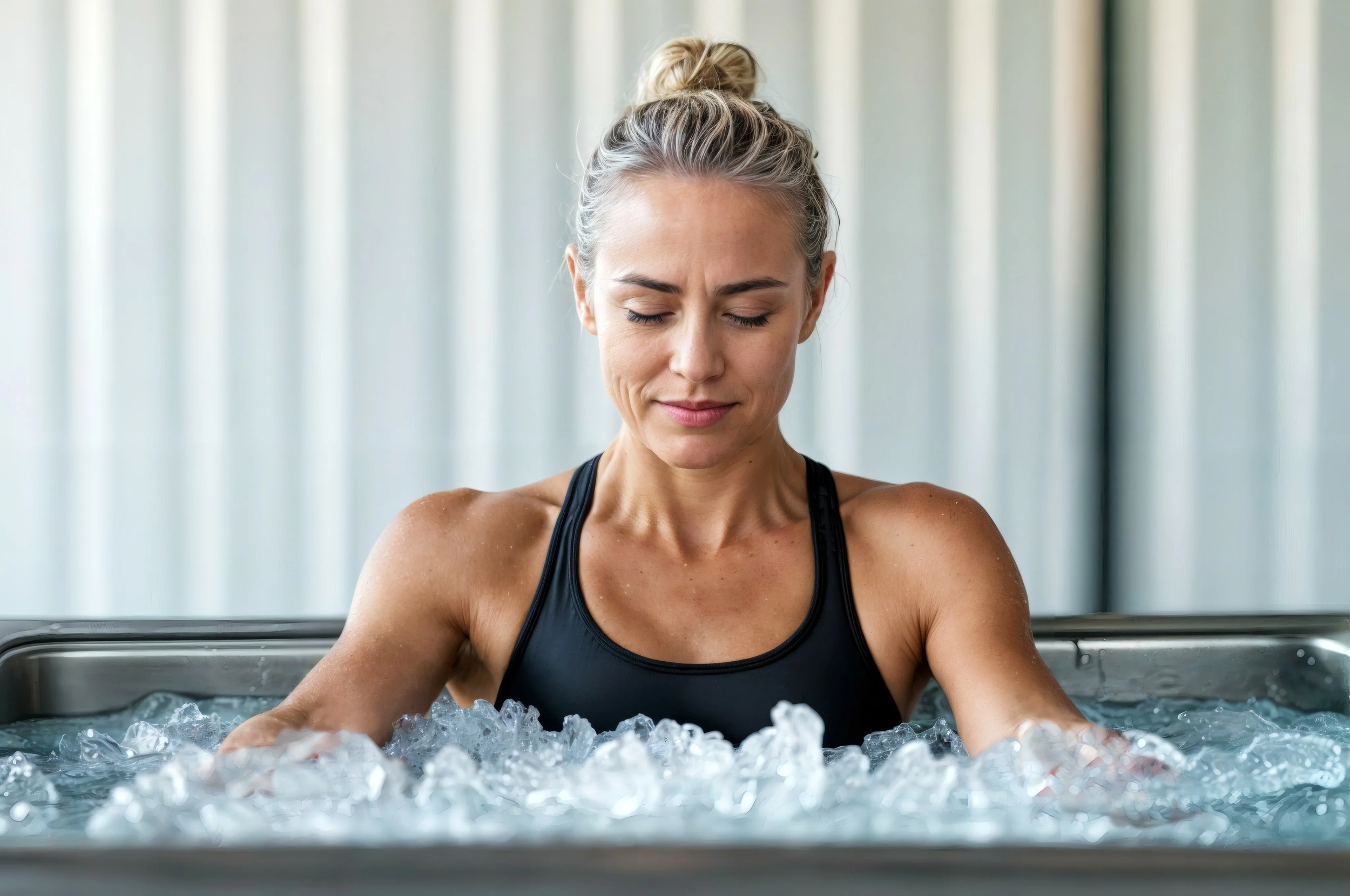
Your Cold Plunge Is Too Cold
The best cold plunge temperature is not necessarily the lowest one you can tolerate. Here’s what experience—and the science—actually suggest.
One of the first questions people ask about cold plunging is:
“How cold should the water be?”
They usually expect a specific number. Maybe 39°F. Maybe 45°F. Maybe something involving ice floating dramatically around the surface.
The honest answer is less exciting, but far more useful:
The right temperature depends on your experience, how long you plan to stay in, what you are trying to accomplish, and how your body responds.
For me, the sweet spot is usually around 46–48°F.
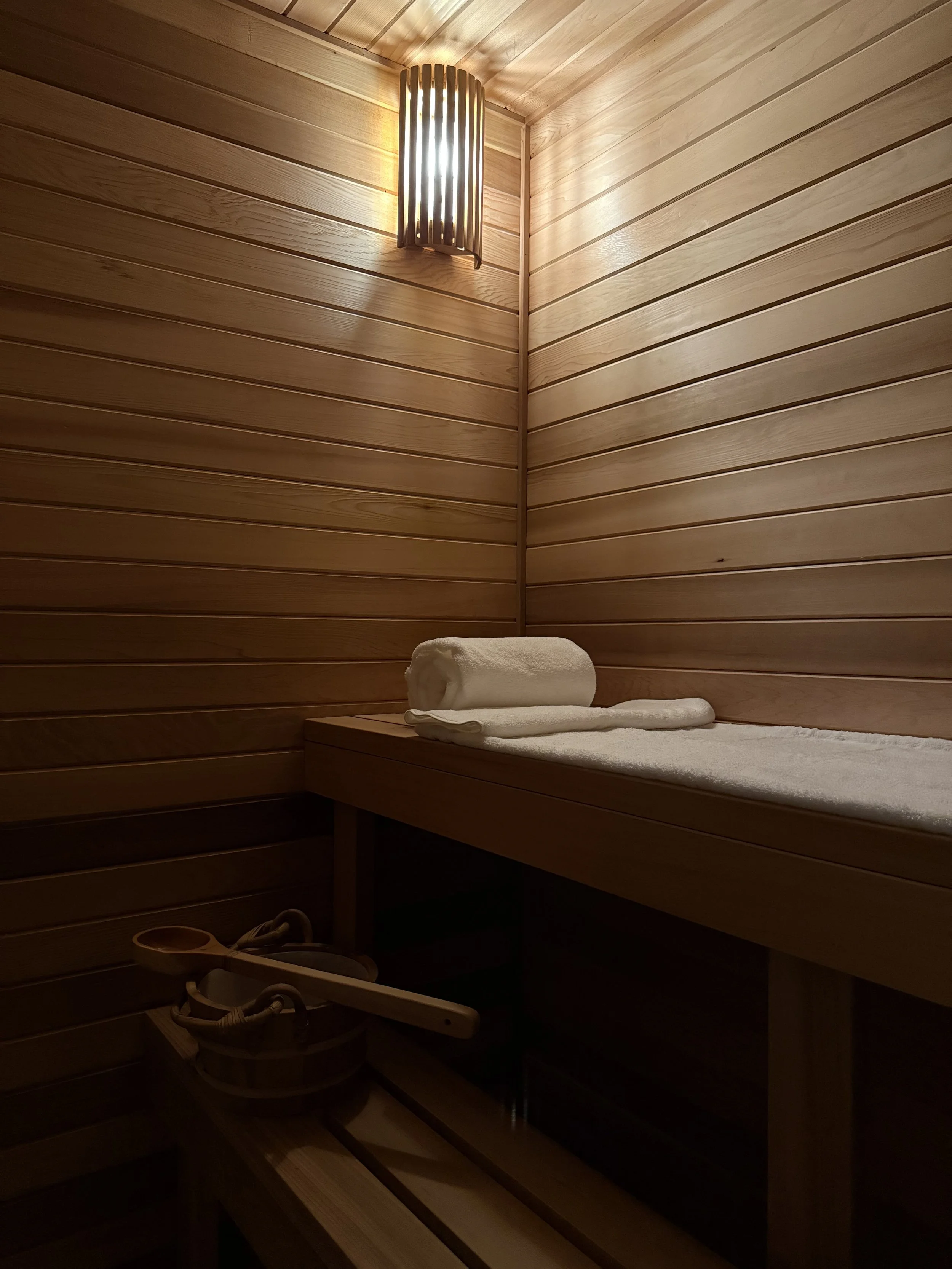
Infrared vs Nordic Sauna: What's the Difference and Why We Chose Traditional Heat
"Why did you choose Nordic saunas instead of infrared saunas?"
It's a fair question.
Infrared saunas have become incredibly popular over the last decade. They're often marketed as a gentler, more accessible alternative to traditional saunas, with claims about deeper heat penetration, detoxification, recovery, and overall wellness.
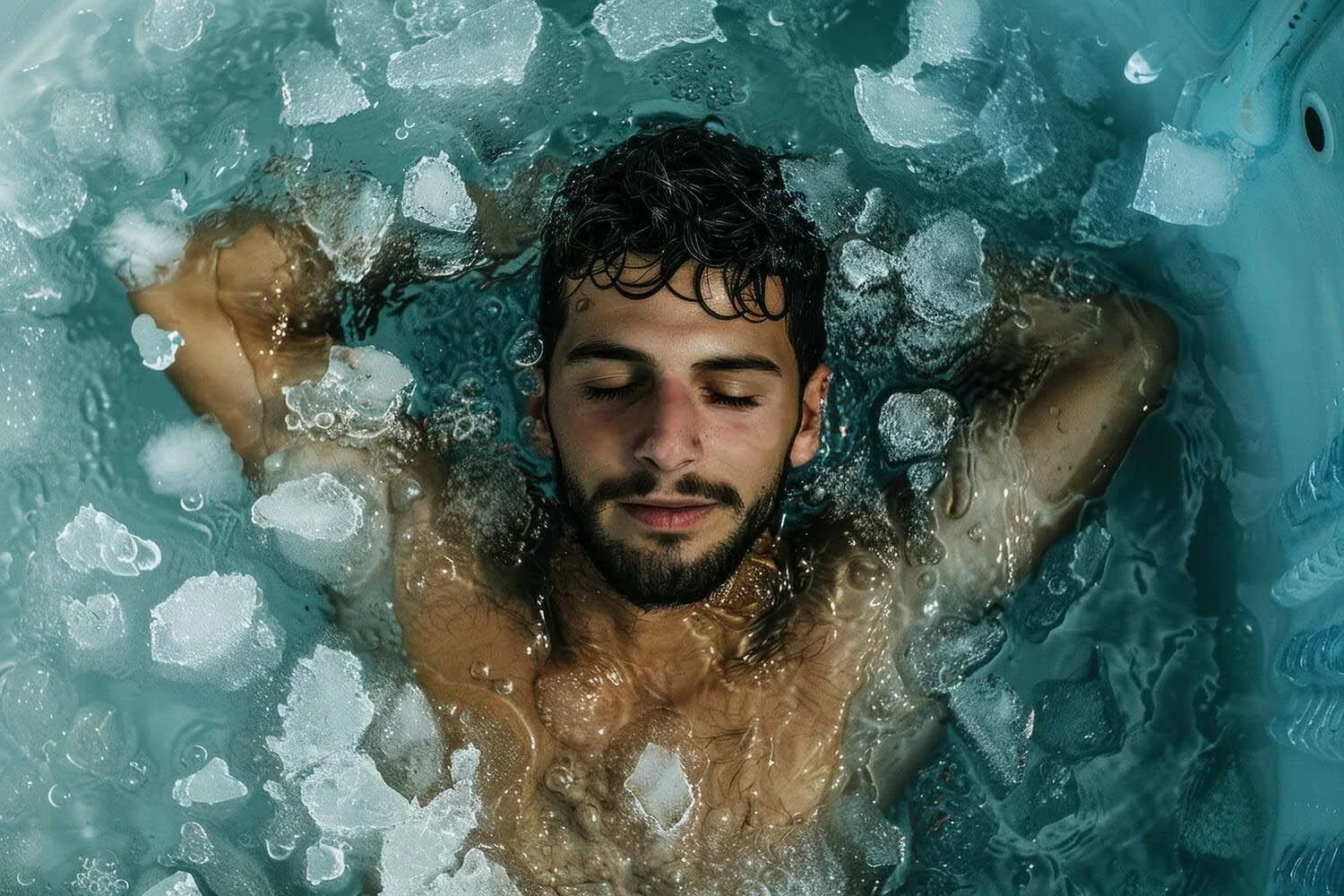
What Is Contrast Therapy — And How Does It Actually Work?
At its core, contrast therapy is the intentional alternation between heat and cold exposure — usually moving between a sauna and a cold plunge. The dramatic shifts in temperature create a powerful response in the body and nervous system that many people describe as energizing, calming, clarifying, and deeply restorative all at once.